
October 3, 2026
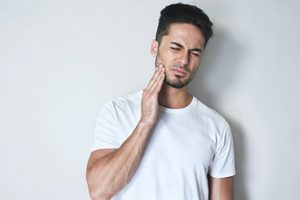
Dental implants are the leading solution for missing teeth, designed to mimic the genuine article as closely as possible. Still, they’re artificial, so when you feel uncomfortable sensitivity in them, it’s normal to ask why. While some mild tenderness is normal during the healing process, ongoing or increasing sensitivity shouldn’t just be tolerated. In this article, we’ll explore common causes behind implant sensitivity and why it’s worth letting your dentist know about it sooner rather than later.
What Causes Sensitivity Around a Dental Implant?
There are several reasons why you may experience sensitivity or discomfort around your dental implant.
Normal Healing After Implant Surgery
Following dental implant placement, it is normal to experience some tenderness, swelling, and mild discomfort. Your gums and surrounding tissues need time to heal, while the implant gradually integrates with your jawbone through a process called osseointegration. This sensitivity should gradually improve as healing progresses.
Gum Inflammation
Inflammation around the implant can cause tenderness, redness, swelling, and sensitivity. This may occur when bacteria and plaque accumulate around the implant and irritate the surrounding gum tissue. Early inflammation, known as peri-implant mucositis, can often be treated successfully with professional dental care and improved oral hygiene.
Peri-Implantitis
If inflammation around a dental implant progresses, it can develop into a more serious condition called peri-implantitis. This infection affects the gum tissue and supporting bone around the implant. Symptoms may include bleeding gums, swelling, discomfort, pus, and eventually implant instability. Early diagnosis is essential to help prevent further bone loss and potential implant failure.
Bite Alignment Problems
Sometimes, sensitivity is caused by excessive pressure on the implant when you bite or chew. If your dental implant crown is too high or your bite is not properly balanced, it may place unnecessary stress on the implant and surrounding structures. Your dentist can evaluate your bite and make adjustments when necessary.
Complications with the Implant Crown or Surrounding Teeth
A loose implant crown, damaged restoration, or problems with nearby natural teeth can also contribute to discomfort. For example, tooth decay, gum disease, or an exposed tooth root in an adjacent tooth may cause sensitivity that feels as though it is coming from the implant.
Why You Should Tell Your Dentist as Soon as Possible
Although occasional mild tenderness may be part of normal healing, persistent or worsening sensitivity deserves professional attention.
Contacting your dentist promptly allows them to identify the underlying cause before it develops into a more complicated problem. Early treatment can help manage inflammation, address bite issues, prevent infection from progressing, and protect the supporting bone around your implant.
Ignoring discomfort can allow minor problems to become more serious, potentially compromising the stability and longevity of your dental implant.
You should contact your dentist if you experience persistent pain, bleeding, swelling, pus, a bad taste, or movement of the implant or its restoration. Severe pain, rapidly increasing swelling, fever, or difficulty swallowing or breathing requires urgent medical attention.
Sensitivity is your body’s way of telling you something may need attention. If your dental implant feels uncomfortable, don’t wait for the symptoms to disappear on their own. Contact your dentist as soon as possible to have it evaluated and ensure your smile stays healthy for years to come.
About the Author
Dr. Darrell Osterhoudt is a Las Vegas native who earned his dental degree from Temple University in Philadelphia. He has been in private practice for more than 2 decades, with extensive training in dental implants and active memberships in the Utah Dental Association and the American Dental Association. “Dr. O,” as he’s affectionately known as to his patients, can place your implants right here in-house at Salt Lake Smiles. We also welcome your dental insurance plan so we can maximize your benefits. Contact us online for more or call (801) 568-0172.