
May 3, 2026
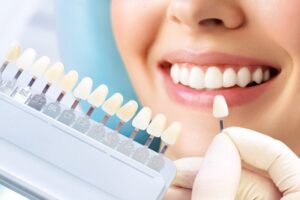
Cosmetic dentistry has evolved dramatically over the past few decades. What was once limited to basic whitening and noticeable restorations has become a sophisticated field focused on creating natural-looking, long-lasting smiles with minimal impact on healthy teeth. Today, cosmetic dentistry combines advanced materials, digital technology, and artistic precision to deliver results that are more comfortable, durable, and realistic than ever before.
From Functional Repairs to Aesthetic Excellence
In the past, dental treatments were primarily focused on function rather than appearance. Metal fillings, bulky crowns, and removable appliances were common, and cosmetic improvements were often secondary considerations.
As patient expectations changed, dentistry began shifting toward treatments that improved both oral health and appearance. This led to the development of tooth-colored materials, porcelain restorations, and techniques designed to preserve more natural tooth structure.
The Rise of Natural-Looking Materials
One of the biggest advancements in cosmetic dentistry has been the improvement of dental materials. Modern porcelain and composite resins closely mimic the color, translucency, and texture of natural teeth.
These materials allow dentists to create veneers, crowns, and bonding restorations that blend seamlessly with surrounding teeth. Unlike older restorations, today’s cosmetic treatments are often difficult to distinguish from natural enamel.
Digital Technology Has Changed Everything
Digital technology has transformed the way cosmetic dentistry is planned and performed. Tools such as digital scanners, 3D imaging, and computer-aided design have improved precision and efficiency.
Instead of messy traditional impressions, many dentists now use digital scans to create highly accurate models of a patient’s teeth. This can lead to better fitting restorations, shorter appointments, and improved comfort.
Smile design software also allows patients to preview potential results before treatment begins, helping them feel more involved and confident in the process.
Less Invasive, More Conservative Care
Modern cosmetic dentistry places a strong emphasis on preserving healthy tooth structure. Techniques such as minimal-prep veneers and conservative bonding require far less enamel removal than older methods.
This approach helps maintain the strength of natural teeth while still achieving dramatic cosmetic improvements.
Whitening Has Become Safer and More Effective
Teeth whitening has also advanced significantly. Professional whitening systems now provide more predictable results with reduced sensitivity compared to earlier products.
Dentists can customize treatments based on a patient’s enamel, staining, and sensitivity levels, making whitening both safer and more effective.
A More Comfortable Patient Experience
Advances in anesthesia, sedation options, and dental equipment have made cosmetic procedures more comfortable than ever. Many treatments can now be completed with little to no discomfort and minimal recovery time.
This improved experience has made cosmetic dentistry accessible to a much wider range of patients.
Cosmetic dentistry has come a long way from its early days. What was once focused mainly on repairing teeth now combines science, technology, and artistry to create smiles that look natural and feel comfortable. As materials and digital techniques continue to improve, cosmetic dentistry will likely become even more precise, conservative, and personalized in the years ahead.
About the Author
Dr. Darrell Osterhoudt (“Dr. O”) earned his Doctor of Dental Medicine degree from Temple University in Philadelphia in 2002. To stay current in his field, these days he is a member of the American Dental Association, the Utah Dental Association, and the International Association of Orthodontics. How would you like to improve the appearance of your smile through cosmetic dentistry? If so, Dr. Osterhoudt and his team would be glad to help. Just head to our website to book an appointment or call our West Jordan office at (801) 568-0172.